Ground conditions and slabs in Fraser Rise VIC
Fraser Rise sits on the volcanic plains west of Melbourne, where clay soils that swell and shrink with moisture are common, but the AS 2870 site class is set lot by lot from your own soil report, and fill placed during subdivision can change it between neighbours. We do not quote a class for the suburb. What our slab and frame visits show is consistent: waffle pod rafts with deep edge beams, barriers and mesh support that need attention before the pour, and slab edges that stand too far past the frame.




AS 2870 site class is set for each lot from its own soil test.
Reactive clays move with moisture, so drainage beside the slab matters for the life of the house.
Most slabs we inspect here are waffle pod rafts with deepened edge beams.
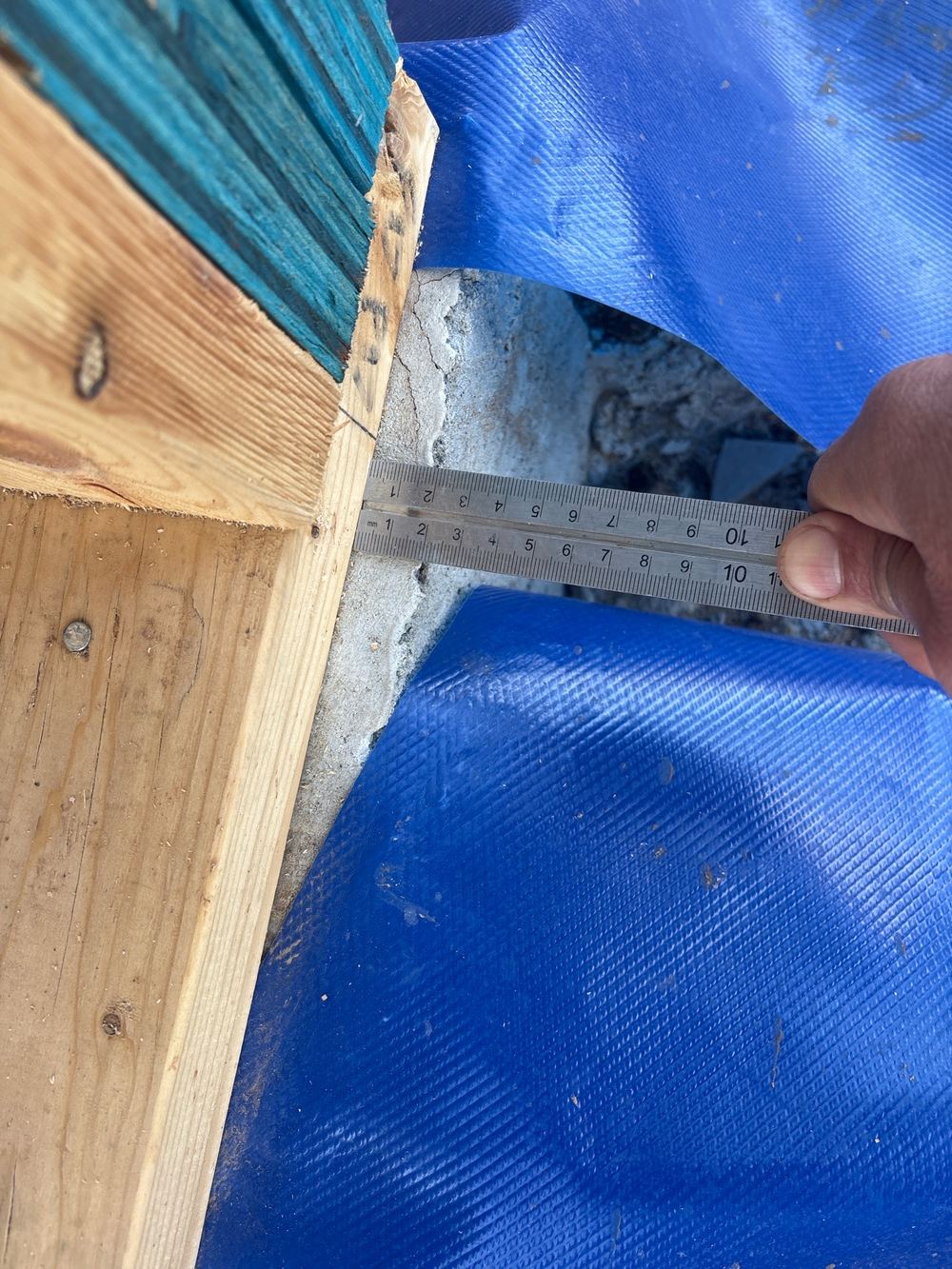
A slab edge more than 20 mm past the frame closes up the brick cavity.
Keep garden watering and downpipes away from the slab edge to limit seasonal movement.
More about Fraser Rise
- Building a new home in Fraser Rise VIC
- Buying a home in Fraser Rise VIC
- Growth and development in Fraser Rise VIC
- Permits, council and building disputes in Fraser Rise VIC
- Termites and timber pest risk in Fraser Rise VIC
- Common building defects in Fraser Rise VIC
- Roofs, wind and weather in Fraser Rise VIC
Written by our local inspection team from work carried out in Fraser Rise. Licensed building practitioners, Building & Plumbing Commission registration CDB-U 53425.